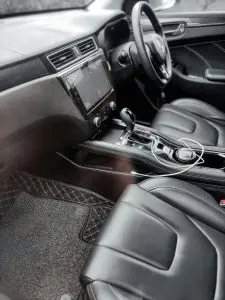

You turn on your car’s air conditioner to escape the heat, and a few minutes later your foot hits a wet carpet. The passenger-side floor feels damp, and there’s a musty smell in the cabin. This is one of those car problems that feels small at first but can turn into a big headache if ignored.
Water inside the car can ruin carpets, damage wiring, and create mold that is hard to remove. The good news is that most AC leaks inside the passenger floor area are caused by simple issues that can be fixed without major repairs. This guide walks through the real causes, clear signs, and step-by-step fixes in a way that is easy to follow.
Why Car AC Leaks Inside the Passenger Floor
When your air conditioner runs, it removes moisture from the air. That moisture turns into water and needs a clear path to drain outside the car. If that path is blocked or damaged, water finds the next easiest way out, which is often the passenger floor.
The most common causes include:
- A clogged AC drain tube
- A disconnected or cracked drain hose
- A dirty or damaged evaporator housing
- A soaked or misaligned cabin air filter
- Leaks caused by poor windshield or firewall seals
Each of these problems can send water straight into the cabin instead of onto the road.
Signs the AC Is the Source of the Leak
Before fixing anything, make sure the air conditioner is truly the cause. These signs usually point to an AC-related leak:
- Water appears only when the AC is running
- The leak shows up on the passenger side
- The carpet feels cold and wet
- A moldy or sour smell comes from the vents
- No coolant loss from the engine
If the floor stays dry when the AC is off, the system is likely the source.
Step 1: Check the AC Drain Tube
This is the most common cause and the first place to look.
The AC drain tube allows water to drip outside under the car. Over time, dirt, dust, leaves, and road grime can block it. When that happens, water backs up and spills into the cabin.
How to Fix It
- Park the car on level ground and turn off the engine.
- Look under the car near the passenger side firewall.
- Find a small rubber or plastic tube pointing downward.
- Gently insert a flexible wire, zip tie, or pipe cleaner into the tube.
- Move it in and out to clear debris.
Once cleared, water often pours out right away. This is a good sign the blockage was the problem.
Step 2: Inspect the Drain Hose Connection Inside
In some cars, the drain hose can slip off or crack inside the dashboard area. When this happens, water drains straight onto the floor.
How to Fix It
- Remove the passenger-side lower dash panel.
- Look for the drain hose connected to the AC evaporator housing.
- Check for loose fittings or visible cracks.
- Reattach the hose securely or replace it if damaged.
This fix often takes little time and stops the leak instantly.
Step 3: Check the Cabin Air Filter Area
A clogged or poorly seated cabin air filter can redirect water into the cabin. Leaves and dirt can collect here and block normal drainage paths.
How to Fix It
- Locate the cabin air filter, usually behind the glove box.
- Remove the filter and inspect it.
- Replace it if it looks wet, dirty, or misshaped.
- Clean out any leaves or debris inside the filter housing.
A clean filter improves airflow and helps prevent future leaks.
Step 4: Inspect the Evaporator Housing
The evaporator sits inside a plastic case that channels condensation to the drain tube. Cracks or gaps in this housing can allow water to escape into the cabin.
How to Fix It
- Look for visible cracks or water trails around the housing.
- Use automotive-grade sealant to close small gaps.
- Replace damaged sections if needed.
This step may require partial dash access on some vehicles, so patience helps.
Step 5: Check Windshield and Firewall Seals
Sometimes water on the passenger floor is blamed on the AC when the real issue is outside water entering the cabin.
Rainwater can leak through:
- A poorly sealed windshield
- Grommets in the firewall
- A damaged cowl panel
How to Fix It
- Inspect the windshield edges for gaps.
- Check rubber grommets where wires pass through the firewall.
- Seal small gaps with automotive weather sealant.
Test by spraying water on the windshield while the car is parked and the AC is off.
Step 6: Dry the Interior Completely
Fixing the leak is only part of the job. Trapped moisture can cause odors and mold if not handled properly.
How to Dry the Floor
- Remove floor mats and let them air dry.
- Use towels to soak up surface water.
- Run a fan or dehumidifier inside the car.
- Leave windows slightly open in a dry area.
Drying the carpet fully protects the interior and keeps the smell away.
How to Prevent AC Leaks in the Future
A few simple habits can keep this problem from returning:
- Run the AC regularly, even in cooler months
- Replace the cabin air filter on schedule
- Clear debris from the cowl area near the windshield
- Check for water dripping under the car during AC use
If you see water dripping outside, that means the system is draining as it should.
When to See a Professional
Some cases call for expert help:
- Repeated leaks after cleaning the drain
- Strong mold smell that won’t go away
- Electrical issues near the wet area
- Dashboard removal needed for access
A trained technician can pressure-test the system and find hidden issues quickly.
Final Thoughts
A car AC leaking inside the passenger floor area feels alarming, but most fixes are simple and affordable. In many cases, clearing a clogged drain tube or reseating a hose solves the problem in minutes. Acting fast protects your car’s interior, keeps the air fresh, and saves money in the long run. With the right steps and a little care, you can keep cool air flowing where it belongs and water draining safely outside.