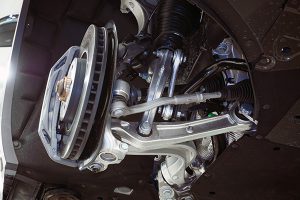

When your car starts ‘dancing’ on the road with jerks and hesitant acceleration, it might be signaling some underlying issues that need your attention.
You’ve likely got a problem with your fuel injectors or perhaps your spark plugs are past their prime. It’s important to tackle these glitches promptly to avoid more severe damage to your engine.
Why not start by checking the condition of your fuel filter or examining the spark plugs?
There’s a chance you could solve the problem yourself with a few adjustments, but what if the issue is something you can’t see? What could be lurking under the hood, out of sight, affecting your car’s performance?
Identifying Common Symptoms
When your car not accelerating and jerking, it’s often due to issues with spark plugs, fuel injectors, or the transmission. You’re not alone in this; it’s a common problem that many drivers face when their car is not accelerating and jerking.
The cause your car jerks when accelerating can frequently be traced back to dirty spark plugs or problems within the ignition system. These components are essential for your car’s ability to run smoothly. When they fail, you’ll likely notice not just jerking but also unusual engine noises and rough idling.
These symptoms signal that it’s time to check and possibly replace these key parts. Remember, addressing these issues early can save you from more severe engine damage down the road.
Inspecting the Catalytic Converter
You should start by examining the catalytic converter, as its clogging often leads to jerking and sluggish acceleration. When you’re part of the car-loving community, knowing how to spot and fix issues like a clogged catalytic converter can really save the day and keep your ride smooth.
Here’s what to look for:
- Symptoms: Watch for bad smells, a lit check engine light, and poor fuel economy indicating a blockage.
- Cleaning: Try using a cleaner designed for catalytic converters to dissolve any buildup.
- Replacement: If cleaning doesn’t clear the exhaust particles, you might need a replacement.
- Community Tips: Share and seek advice on forums or local clubs for personal experiences and trusted mechanics.
Testing the Mass Airflow Sensor
After checking the catalytic converter, the next step is testing the mass airflow sensor to make sure it’s not the source of your car’s jerking and poor acceleration.
Grab a multimeter because you’re going to check the voltage signals from the mass airflow sensor. It’s a straightforward test that’ll tell us if we’re dealing with a faulty sensor. Connect the multimeter to the sensor’s output, and compare the readings to the standard values.
Abnormal voltage indicates a malfunctioning sensor that could be messing with your engine performance. If the sensor’s busted, don’t worry! Replacing it isn’t just a fix; it’s a way to restore your car to its smooth-running self, making you feel like part of a community that values a well-maintained ride.
Cleaning the Air Filter
Regularly cleaning or replacing your car’s air filter boosts engine performance and prevents jerking during acceleration. A dirty air filter can cause airflow restriction, leading to poor acceleration and rough rides. Keeping up with regular maintenance, including the air filter, guarantees your car runs smoothly and maintains fuel efficiency.
Here’s what you need to know:
- Inspect the air filter: Check it every 12,000-15,000 miles for dirt and clogs.
- Clean or replace: If it’s clogged, cleaning mightn’t be enough; replace it.
- Prevent jerking: A clean air filter ensures proper air intake, preventing jerking.
- Boost performance: Regular attention to the air filter keeps your engine in top condition.
Examining the Accelerator Cable
Inspecting the accelerator cable is crucial as it directly connects your gas pedal to the throttle plate, influencing how smoothly your car accelerates. When you’re part of a community that values peak vehicle performance, understanding the role of the accelerator cable can make a big difference in your driving experience.
Here’s what to look for during an inspection:
- Wear and Tear: Check for any visible fraying or damage.
- Proper Tension: Verify the cable hasn’t become slack.
- Smooth Operation: The cable should move freely without sticking.
- Cleanliness: Dirt and grime can cause issues.
If you find any problems, don’t hesitate to contemplate a repair or replacement to resolve acceleration jerking, hesitation, and other drivability issues.
Seeking Professional Assistance
If your car continues to jerk and won’t accelerate smoothly, seeking professional assistance is your next step. It’s comforting to know you’re not alone in this.
A professional mechanic is your ally, adept at diagnosing and fixing issues that disrupt your car’s performance. They possess the necessary expertise to tackle both perplexing engine problems and intricate transmission problems.
By choosing to consult a professional, you guarantee an accurate repair, preventing any further damage that might arise from guesswork. This decision doesn’t just fix the car jerking; it restores the smooth driving performance you miss.
Embrace the support of skilled technicians who understand exactly how to bring your vehicle back to its best state.
Conclusion
Ready to reclaim the smooth ride your car once offered? Start by tackling each fix: clean those spark plugs, check the fuel injectors, and don’t overlook the catalytic converter.
Whether it’s replacing the fuel filter or inspecting the accelerator cable, each step brings you closer to resolution.
But, if uncertainty lingers and your car’s troubles persist, remember, professional help is just a call away. Don’t wait—ensure your safety and your car’s performance now, before it’s too late.