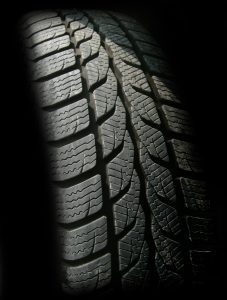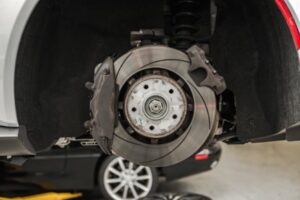
You might not be aware that the subtle whine you hear while driving could signal the early stages of tire wear, a critical indicator that shouldn’t be ignored.
As you continue to navigate your daily routes, pay close attention to the feel of your drive and the look of your tires.
Uneven tread wear, visible damage, or sudden changes in your vehicle’s handling are clear signs that your tires may need a closer examination. Have you considered what these symptoms could mean for your safety and the performance of your car?
Knowing when to replace your tires can save you from a potential mishap, so let’s explore how to spot these warning signs effectively.
Identifying Common Tire Wear Signs
To guarantee safe driving, regularly check your tires for signs of wear, such as reduced tread depth, uneven patterns, and visible damage.
You’re not alone in wanting to keep your car in top shape. When you notice uneven wear, it often means your tires aren’t aligning correctly. It’s a common issue many face, and addressing it keeps you and others on the road safer.
Also, check the tire sidewall for bulges, bubbles, or cracks. These defects could suggest internal damage, often caused by hitting a curb or pothole.
Understanding Tread Depth Indicators
As you check your tires, it’s essential you know how to measure tread depth to make sure they’re safe for the road.
Measuring Tread Depth
Understanding tread depth indicators is essential for determining when it’s time to replace your tires. You’re part of a community that values safety and smart maintenance, so knowing these indicators helps you stay connected and responsible.
During a visual inspection, look for wear bars across the tire tread depth. These bars become visible when the tread wears down to 2/32 of an inch, a critical replacement point.
For a quick check, try the Penny Test. Insert a penny into the tread with Lincoln’s head upside down. If you can see his entire head, your tread depth is less than 2/32 of an inch, and it’s time for a change.
Signs of Unsafe Tread
Now, let’s examine how to spot signs of unsafe tread by using tread depth indicators. If you notice the wear bars flush with your tire’s tread, it’s a clear signal you’re due for tire replacement.
Tread depth shouldn’t dip below 2/32 of an inch; anything less risks damaging your tires and safety, as you’re more prone to hydroplaning.
Regular checks using a Lincoln penny or a tread depth gauge can help you catch this early. Also, watch for uneven tire wear it often points to alignment issues or incorrect tire inflation.
Staying vigilant about these signs ensures you’re part of a community committed to road safety and top-notch vehicle performance.
Checking for Sidewall Damage
When you’re checking your tires, it’s essential to look out for any signs of sidewall damage, such as cracks or bulging. These imperfections can indicate deeper problems that might jeopardize your safety on the road.
Identifying Sidewall Cracks
Why should you regularly inspect your tires for sidewall cracks?
Sidewall cracks aren’t just cosmetic issues; they threaten tire safety. These fissures can occur from UV exposure, age, or impacts, signaling that your tire’s integrity might be compromised.
By inspecting your tires for visible damage, you can ensure your safety and protect those around you on the road.
Visible sidewall cracks often mean it’s time for tire replacement to avoid potential blowouts.
Don’t wait until it’s too late. Addressing these issues promptly can save you from costly repairs and maintain safe driving conditions.
Signs of Bulging
You should check your tires for signs of bulging, as this indicates internal damage and poses a serious safety risk. These bulges on the sidewall are usually the result of impacts with potholes or curbs.
They aren’t just minor imperfections; they signal a weakening in the tire’s structure, which can lead to dangerous blowouts while you’re driving.
If you ever spot a bulge, immediately replace the tire. Don’t wait, as driving on a compromised tire puts you and others on the road at risk.
Detecting Abnormal Tire Vibrations
Feeling vibrations through your steering wheel or seat often signals issues like unbalanced or misaligned tires that need professional attention. When you’re part of the road-savvy group that values safety and performance, it’s crucial to recognize these abnormal tire vibrations as a call to action.
Uneven tread wear, often a silent contributor to this shaky experience, alongside potential suspension issues, can compromise your ride’s smoothness and safety. Don’t overlook these signs; getting your tires checked can preempt further damage and guarantee you’re always secure on the road.
The Importance of Regular Tire Rotation
Regular tire rotation is essential for ensuring even wear and extending the life of your tires. You’re part of a community that values not just owning a car, but taking care of it.
Rotating your tires every 6,000 to 8,000 miles prevents uneven tread wear, particularly since your front tires wear out faster than the rear ones. This regular maintenance isn’t just about upkeep; it’s about extending the lifespan of your tires and ensuring your vehicle feels like a reliable family member.
In addition, incorporating a professional inspection during these rotations can uncover hidden issues, making each drive a safe experience. Remember, tire rotation is more than a task; it’s a commitment to your car’s longevity and performance.
When to Consult a Tire Professional
While rotating your tires regularly helps maintain them, there are times when consulting a tire professional is necessary. If you spot uneven tread wear, it might be more than just tire age it could signal deeper alignment issues.
Feeling vibrations? That’s your cue; a tire professional can sort out balance problems that shake up your ride.
Don’t ignore cracks on the sidewall or signs of dry rot either; these are serious safety risks screaming for expert attention.
Conclusion
Well, there you have it! You’re now practically a tire wear detective. Next time you spot those wear bars, feel proud—you’ve cracked the case!
And those sidewall bulges? Just your tires trying to ‘blow’ you a kiss goodbye.
Ignoring those vibrations is like enjoying a mystery novel—it’s thrilling until you hit the plot twist.
So, keep those rotations regular and consult a tire guru before your tires retire dramatically.